
by Lorato | Oct 14, 2025 | Accolades and Achievements, All News, SMU Media, Student Media
Sefako Makgatho Health Sciences University (SMU) has affirmed its position among the world’s leading higher education institutions in the 2026 Times Higher Education (THE) World University Rankings, marking a defining moment in its transformation into a globally competitive health sciences university.
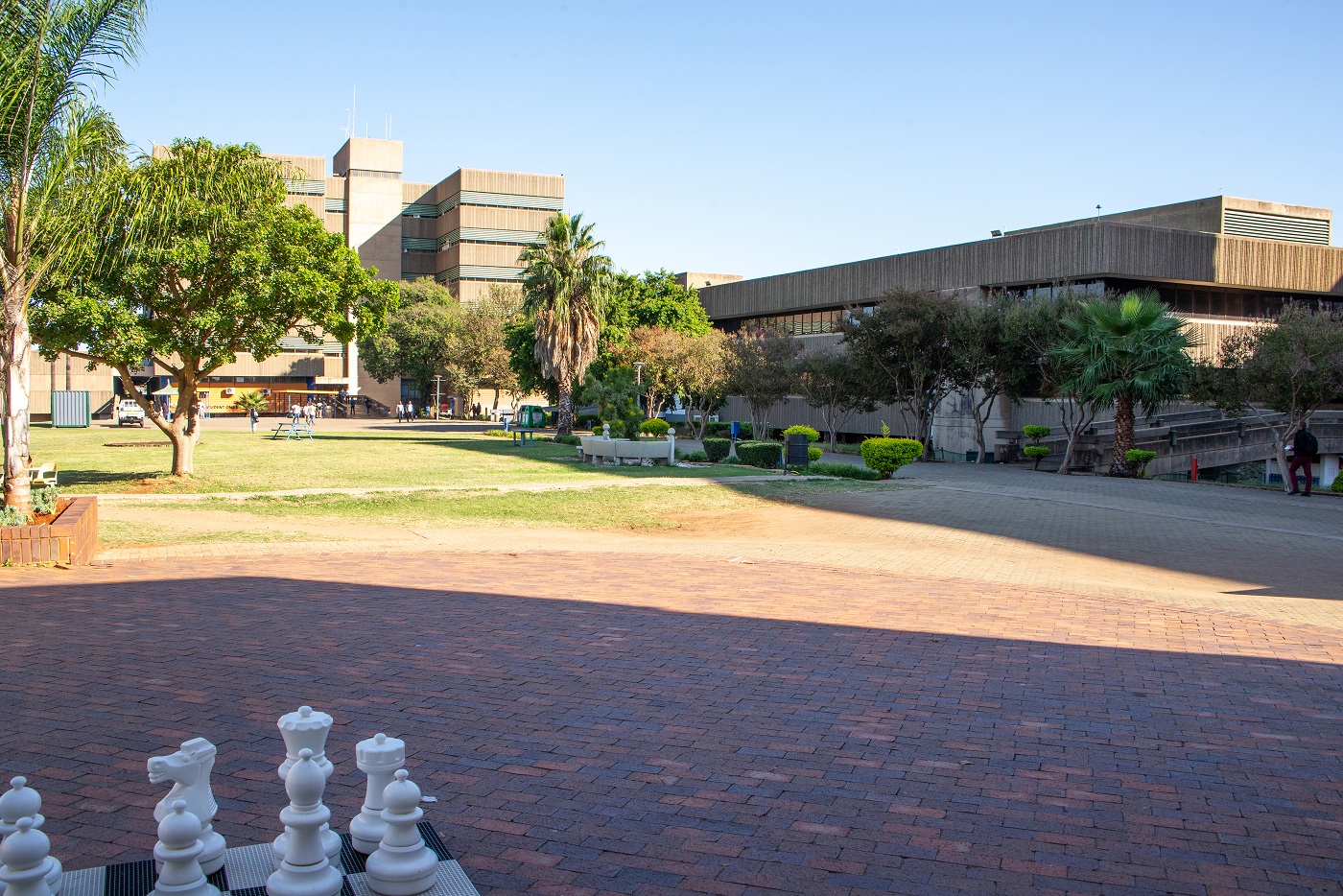 Ranked within the 1201–1500 band globally and 11th in South Africa, SMU’s consistent upward trajectory signals a university steadily strengthening its academic reputation, global partnerships, and research impact. The 2026 edition of the rankings evaluated 2 192 universities across 120 countries, making SMU’s continued inclusion an emblem of academic endurance and international relevance in an increasingly competitive higher education landscape.
Building a globally competitive health sciences institution
Under the visionary leadership of its Vice-Chancellor and Principal, Professor Tandi Matsha-Erasmus, SMU has redefined what it means to be a health sciences university in South Africa. Her strategic focus on excellence, collaboration, and global benchmarking has catalysed measurable growth across key performance pillars: Teaching, Research Environment, Industry Engagement, and International Outlook.
This year, SMU achieved a Teaching score of 26.0 and a Research Quality score of 42.7, underscoring both the calibre of its academic environment and the relevance of its research to societal and scientific advancement. Most notably, the university’s International Outlook score rose to 50.0, reflecting its expanding global footprint and sustained partnerships with institutions and research networks worldwide.
Matsha-Erasmus described the performance as “a reflection of a university that is intentional about transformation through scholarship, excellence and impact.” In an environment where rankings increasingly measure global competitiveness, SMU’s growth is not merely statistical; it symbolises transformation through intentional leadership.
The university demonstrated improvement in almost every category assessed by THE. Its overall score rose from 25.2–30.6 in 2025 to 27.3–32.0 in 2026, while Industry Income increased from 18.3 to 19.2, highlighting stronger engagement between academia and industry. The Research Environment score also advanced to 11.1, a nod to investments in research infrastructure, mentorship, and postgraduate support.
These achievements, though measured numerically, tell a broader story of academic ambition and institutional renewal, one grounded in the belief that health sciences education must drive innovation, equity, and impact beyond national borders.
SMU’s Research Quality pillar remains among its strongest. With a score of 42.7, it reflects the university’s commitment to producing impactful, peer-recognised scholarship that addresses Africa’s most pressing health challenges—from infectious diseases to non-communicable conditions that define the continent’s epidemiological landscape.
The university’s strategic partnerships with global research consortia and its emphasis on evidence-based healthcare innovation continue to position it as a crucial node in the global knowledge ecosystem. “Our mission has always been to ensure that research translates into solutions,” says Matsha-Erasmus. “Each publication, partnership and postgraduate graduate must ultimately contribute to healthier, more equitable societies.”
Benjamin Ntshabele, Institutional Researcher, adds: “At its core, SMU is steadily growing and cementing its place as one of the leading health sciences universities both locally and globally. Beyond its continued progress in teaching and learning, with a stronger and more dynamic learning environment, the university’s biggest strength lies in its expanding International Outlook. This growth reflects meaningful progress in collaboration and in staff and student mobility, laying a solid foundation for building a global reputation and boosting research impact.”
Ntshabele further states: “Research Quality remains a key area of strength, with SMU’s publications and citation impact continuing to make a mark. Industry engagement is gaining momentum, showing stronger partnerships and real-world impact. Meanwhile, the Research Environment is showing steady, positive movement — a clear sign of ongoing investment in research capacity and support.”
A rising star among South African universities
SMU’s performance reflects a story of resilience and renewal. Competing alongside research giant universities, SMU’s steady climb demonstrates that institutional excellence is not defined by age or size, but by strategic focus, data-driven management, and the will to lead.
The university continues to outperform its weight in International Outlook, a metric that measures international staff, students, and research collaboration. Its upward movement in this category signals growing recognition of SMU as a partner of choice for global health research and training collaborations.
The 2026 results are both an achievement and a call to action. SMU’s journey towards becoming a premier African health sciences university is accelerating, driven by its mission to produce world-class health sciences professionals and transformative research.
*By Tshimangadzo Mphaphuli
by Lorato | Jul 29, 2025
Sefako Makgatho University Animal Research Ethics Committee (SMUAREC) Home » Search Results for "69 University" About Sefako Makgatho University Animal Research Ethics Committee (SMUAREC) The Sefako Makgatho University Animal Research Ethics Committee...
by Lorato | Jul 9, 2025 | All News, SMU Media, Student Media
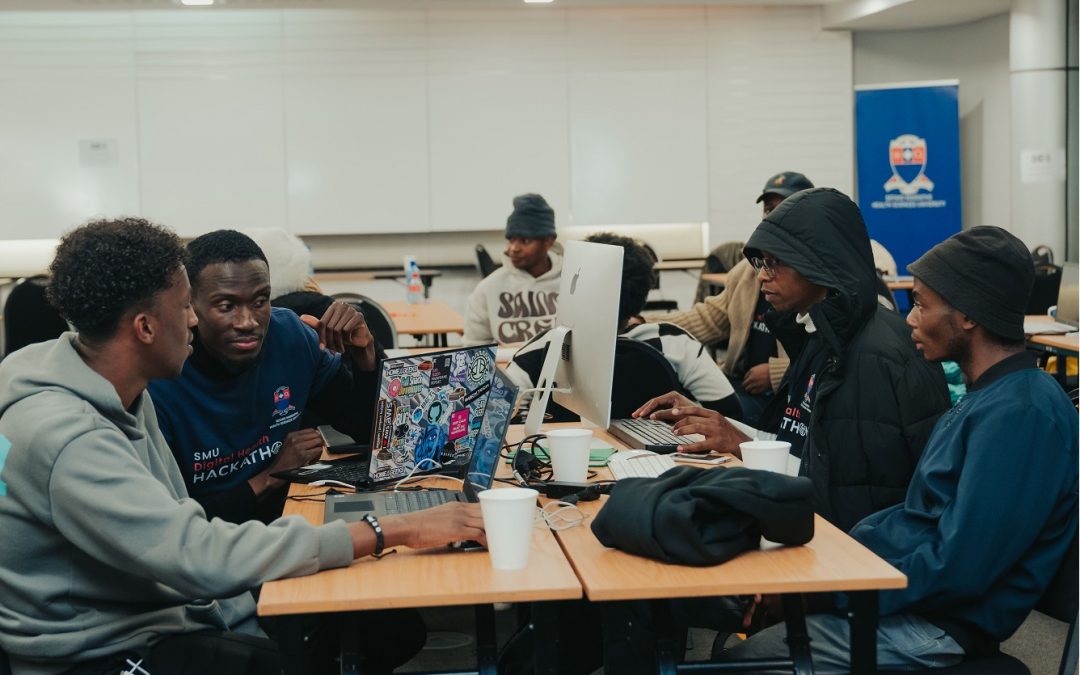
At Sefako Makgatho Health Sciences University (SMU), innovation is not a buzzword — it is a lived reality. From 20 to 22 June 2025, this spirit of ingenuity took centre stage as SMU hosted its Digital Health Hackathon at the Innovation Hub in Pretoria. Designed to spark technological solutions to pressing healthcare challenges, the event marked another milestone in SMU’s evolution as a dynamic hub of innovation, entrepreneurship, and community impact.
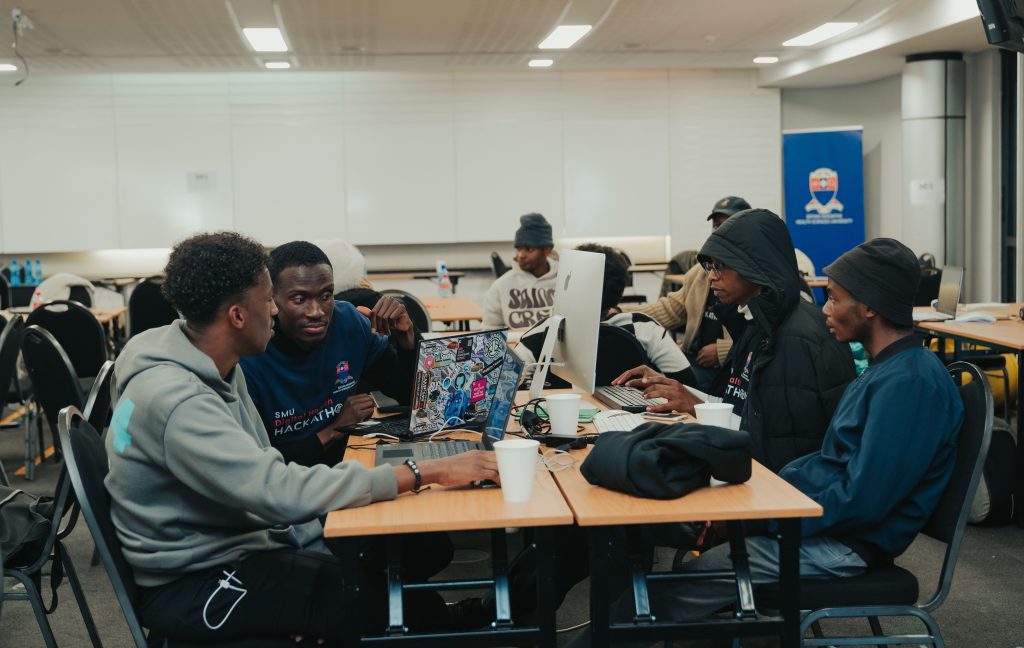 Organised in partnership with ICRD Group Holdings, the City of Tshwane, and other stakeholders, the hackathon brought together students, developers, health professionals, and creatives to collaborate, build, and pitch practical digital health innovations. Significantly, the event took place during youth month, commemorating the 49th anniversary of the 1976 Soweto Uprising — a poignant reminder of the transformative power of young people.
“This event is not just about ideas; it’s about agency,” said Professor Dini Mawela, Acting Deputy Vice-Chancellor: Academic and Research at SMU. “We are empowering students to drive change in healthcare through innovation.”
Structured over three dynamic days, the hackathon provided a comprehensive platform for learning and creation. Day 1 focused on team formation and defining health-related problem statements. Day 2 featured keynote addresses, technical workshops, and hands-on mentoring. Day 3 culminated in final pitches to a panel of expert judges drawn from health, technology, and business sectors.
The event began with a virtual induction on 20 June. Keynote speaker Isaac Kahwema, Executive Director of DOORS Health, joined remotely from the United States to explore Africa’s digital health challenges and opportunities. A standout fireside chat on AI and data protection in healthcare was led by software engineer Bongekile Mabindisa, while ICRD’s Wamozo Cosmas and Geekulcha’s Tiyani Nghonyama equipped participants with practical strategies for innovation under pressure.
 Dignitaries on Day 2 included Councillor Tshegofatso Mashabela, MMC for Health in the City of Tshwane, and Dr Fhatuwani Godfrey Mbara, CEO of Dr George Mukhari Academic Hospital, who delivered an address on behalf of the Gauteng MEC for Health, Nomantu Nkomo-Ralehoko. Both emphasised the urgent need for locally developed tech-enabled healthcare solutions.
The hackathon saw an impressive range of projects — from mobile apps supporting diabetic care to maternal health trackers for rural clinics. Teams also tackled mental health, AI-assisted diagnostics, and low-bandwidth telehealth tools. All solutions were designed with accessibility, scalability, and social impact in mind.
The judging panel evaluated projects on innovation, usability, feasibility, and community impact. With additional support from Buhle Waste, which contributed R5,000 to the prize pool, two teams tied for third place:
- Team Nexus – digitalising paperwork to reduce admin overload in clinics
- MediCoders – improving appointment scheduling at primary healthcare clinics
Second place (R10 000) went to HealthSync Three, a virtual team that developed a smart appointment platform. The R15 000 first prize was awarded to Techmed Connect, formed by SMU students Rosemary Erawemen and Khanyisa Mokgolobotho, who designed a youth-friendly health service model for township communities.
Beyond prizes, the hackathon created real-world opportunities. Two participants were hired immediately by Santam, thanks to software engineer and mentor Molato Sekgobela, highlighting SMU’s potential to drive both innovation and employability.
Participants also built lasting networks. Many teams expressed a commitment to developing their prototypes further, and the top 10 teams will now enter a nine-month venture-building programme, spearheaded by Siliconic HealthTech Ventures and SMU’s Centre for Entrepreneurship Rapid Incubator (CfERI).
“What we saw was the true spirit of SMU,” concluded Professor Mawela. “A university that doesn’t just produce graduates, but nurtures innovators, entrepreneurs, and problem-solvers.”
As SMU deepens its commitment to innovation and entrepreneurship, events like the Digital Health Hackathon prove that the university is more than an academic institution — it is a launchpad for real-world impact. By empowering students to co-create solutions, collaborate with industry, and turn ideas into ventures, SMU is shaping a future where innovation drives inclusive growth and addresses society’s most urgent challenges.
By Dimakatso Modise
by Lorato | Jun 20, 2025 | All News
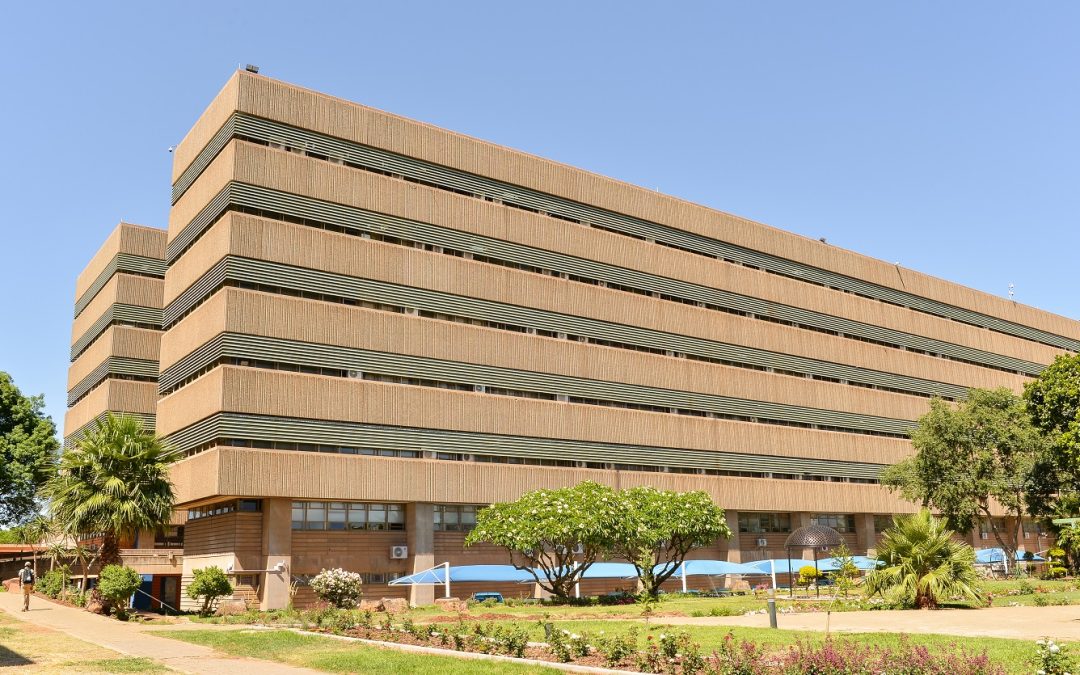
Sefako Makgatho Health Sciences University (SMU) has made a landmark entry into the 2025 Times Higher Education (THE) Impact Rankings, which were released in 18 June 2025, marking a major turning point in its global profile as a health sciences institution committed to sustainable development and social impact.
 For the first time, SMU participated in the global THE Impact Rankings, which assess how universities contribute to the United Nations Sustainable Development Goals (SDGs). SMU was ranked in the 1001–1500 global band out of 2,318 institutions worldwide, with a commendable overall score of 56.4. This places SMU 10th among 13 ranked South African universities.
“Our debut in the global sustainability rankings is a strategic signal of intent,” says Benjamin Ntshabele, Institutional Researcher. “It shows that SMU is not only a national asset but an emerging global contributor to health, education and social transformation.”
Delivering impact in health and education
SMU entered four SDG categories aligned with its academic mission and institutional strengths:
- SDG 3: Good Health and Well-being
- SDG 4: Quality Education
- SDG 8: Decent Work and Economic Growth
- SDG 17: Partnerships for the Goals
The university’s strongest performance was in SDG 3 and SDG 4, where it ranked in the 301–400 band globally — a competitive position that reflects the institution’s growing relevance on the world stage. In fact, SMU’s scores in both categories were above the global 75th percentile, confirming that SMU is delivering measurable impact in training healthcare professionals and improving educational access.
Standout metrics include:
- A 96.6% score in the number of students graduating in health professions (SDG 3)
- An 82.1% score for first-generation student participation (SDG 4)
- A 96.1% score in the proportion of students taking work placements (SDG 8)
While SMU’s performance in SDG 3 and 4 underscores its core strengths, results in SDG 8 (38.4%) and SDG 17 (51.0%) reveal areas for growth, particularly in economic research, sustainable employment practices, and SDG reporting.
To address these, SMU is taking deliberate steps to strengthen:
- Investment in workforce development and research outputs
- Integration of SDG themes into the curriculum
- Strategic partnerships that advance global development goals
- Institutional transparency in sustainability metrics
“Our next frontier is to broaden our SDG participation and deepen our institutional systems around impact reporting and global collaboration,” Ntshabele adds.
A university on the rise
SMU’s participation in the 2025 THE Impact Rankings is more than symbolic. It’s a bold affirmation of its growing stature as a university that is not only academically focused but socially accountable.
As the global higher education sector increasingly values real-world impact, SMU is laying the foundation to become a leading African health sciences university with a global conscience.
“This is just the beginning. The rankings validate our contribution to national development, and we are ready to take our place among globally impactful universities,” Ntshabele concludes.
by Lorato | May 7, 2025 | All News, SMU Media, Student Media
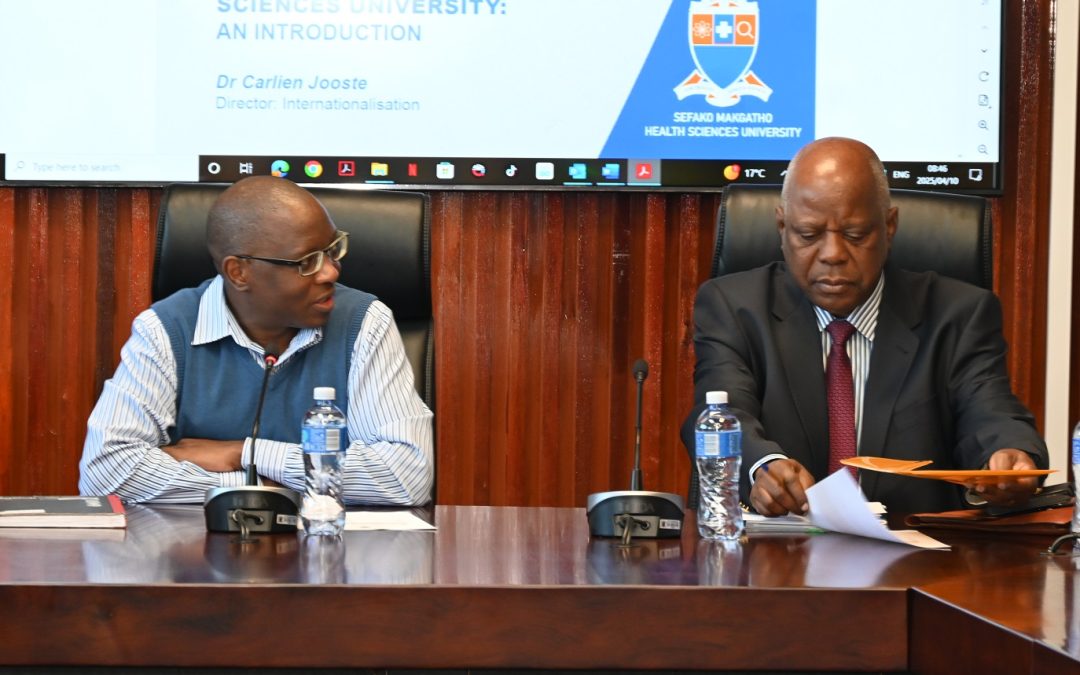
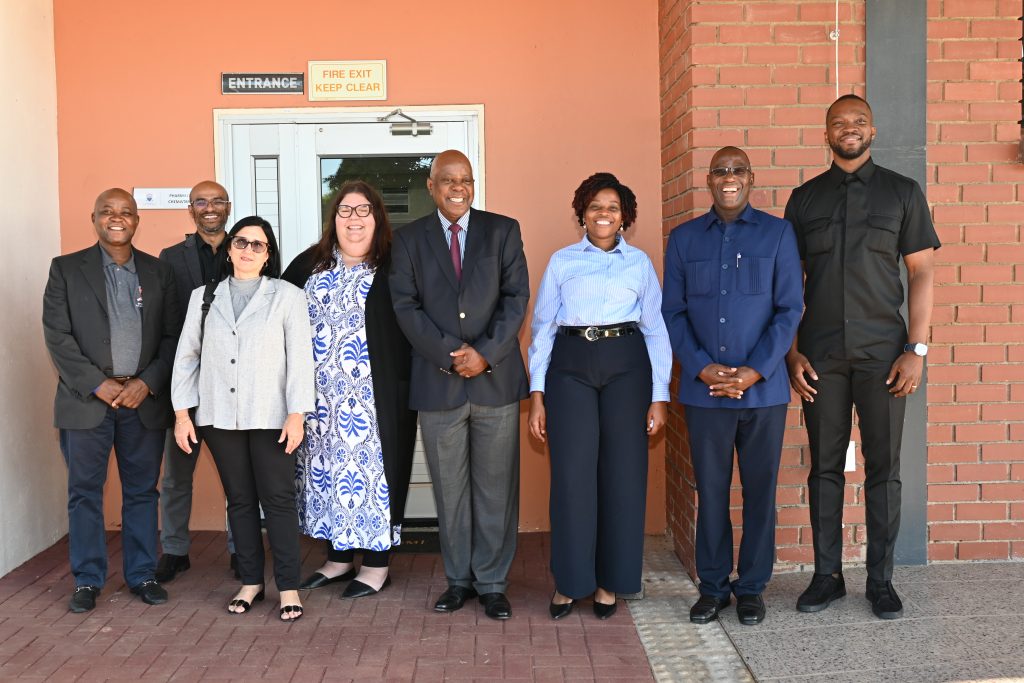
Sefako Makgatho Health Sciences University (SMU) recently welcomed a delegation from Mozambique’s Universidade Wutivi (UniTiva), led by its Chancellor, Professor Domingos Tivane, for a high-level benchmarking visit. The visit focused on exploring best practices across SMU’s flagship academic programmes in medicine, pharmacy, hospital management, nursing and midwifery, and clinical psychology.
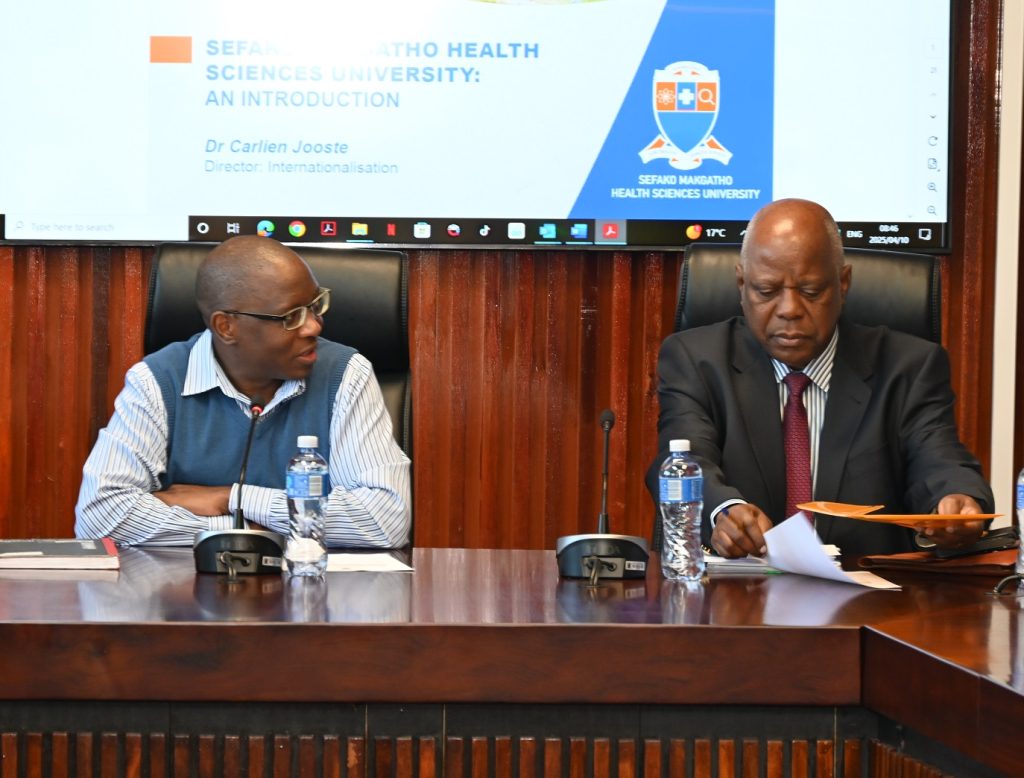 The day commenced with a warm welcome from Dr Jeffrey Mabelebele, Acting Deputy Vice-Chancellor: Teaching, Learning and Community Engagement, who emphasised the spirit of collaboration between the two institutions. “We are honoured to host Professor Tivane and the UniTiva delegation. This is an opportunity not only to showcase our strengths but also to learn from one another and build sustainable academic partnerships,” said Mabelebele.
Dr Carlien Jooste, Director of Internationalisation, provided an overview of SMU’s institutional footprint and introduced the South African Policy Framework for the Internationalisation of Higher Education as the basis for the visit. Professor Tivane responded by reaffirming the purpose of the engagement.
“We are here to learn, to be inspired, and to build bridges between our institutions,” he said. “UniTiva is looking to enhance its own health sciences training, specifically Medicine, which will commence in July 2025, and SMU, with its track record of academic excellence, is the ideal institution to benchmark against.”
An insightful overview of the School of Medicine’s curriculum and operations was delivered by Gerda Botha and Professor Honey Mabuza, followed by a session on best practices per year level in the Bachelor of Medicine and Bachelor of Surgery (MBChB) programme. Notable contributors included Dr Edwin Seleka (MBChB I) and Professor Robert Ndou (MBChB II), with further input from Professor Honey Mabuza on undergraduate research and Thokozile Kgongwane on Interprofessional Education and Collaborative Practice (IPECP).
 “Our fourth-year students are publishing in accredited academic journals, which speaks to the quality and impact of our undergraduate research training,” noted Mabuza. Professor Lesiba Baloyi was joined by colleagues Prof Mokoena Maepa and Maryke Pierce to discuss the University’s clinical psychology programme and their African-focused approach in SMU’s highly competitive postgraduate clinical psychology programme.
Thokozile Kgongwane, along with Skills Centre Director, Dr Lesego Phiri, then led the delegation on a hands-on tour of the SMU Skills Centre, offering a glimpse into simulation-based teaching and the university’s commitment to experiential learning.
The afternoon sessions focused on Nursing and Midwifery, Hospital Management and Pharmacy, where Dr Madan Poka outlined innovative teaching methods, student support, and community engagement initiatives.
“This visit is not just about showing what we do, but how we do it—our pedagogy, our partnerships, and our passion,” Dr Poka, Acting Dean of Pharmacy, observed.
Professor Sogo Matlala, Dr Andile Mokoena-De Beer, and Kgomotso Mabasa presented best practices in nursing, midwifery and hospital management. These included competency-based education aligned with the South African Nursing Council’s R174 regulations, incorporating rigorous objective structured clinical examinations (OSCEs), a 50% pass mark threshold, and 2,120 supervised clinical hours across key disciplines—closely aligned with international standards set by the United Kingdom’s Nursing and Midwifery Council (NMC) and European Union (EU) directives.
SMU’s unique IPECP programmes are redefining healthcare education through interprofessional collaboration, shared values, and ethical practice. The programme aligns with global frameworks from the World Health Organization (WHO) and the International Council of Nurses while maintaining a strong local impact.
“Our IPECP model improves patient outcomes, reduces duplication of resources, and supports our graduates to thrive in multidisciplinary teams,” noted Kgongwane.
Dr Jooste stressed that any Memorandum of Understanding (MoU) developed must be “intentional, mutually beneficial, and active.” A lively discussion on the potential MoU followed, setting the tone for future collaborations and an invitation for SMU delegates to visit UniTiva.
The day concluded with a tour of the School of Pharmacy laboratories and reflections on SMU’s continuous quality improvement efforts. These include quarterly academic review meetings, internal and external moderation processes, peer reviews, and student feedback loops that inform module planning and redesign.
SMU’s commitment to innovation was also on full display, from hybrid and flipped-classroom models to the integration of 3D-printed anatomical structures and dispensing software in Pharmacy education. The institution’s research-integrated curriculum prepares students for evidence-based practice, lifelong learning, and global competitiveness.
“We pride ourselves on excellence, innovation, and relevance. This benchmarking visit confirms that we are on the right track in shaping Africa’s next generation of healthcare professionals,” concluded Jooste.
SMU continues to set the pace in health sciences education across the continent, with international visits such as this reaffirming its role as a beacon of health care sciences academic excellence and societal impact.
By Tumelo Moila